From research to reality: Breaking down comprehension barriers, with Phil Capin, Ph.D.


Transcripts and additional resources:
Meet Our Guest(s):

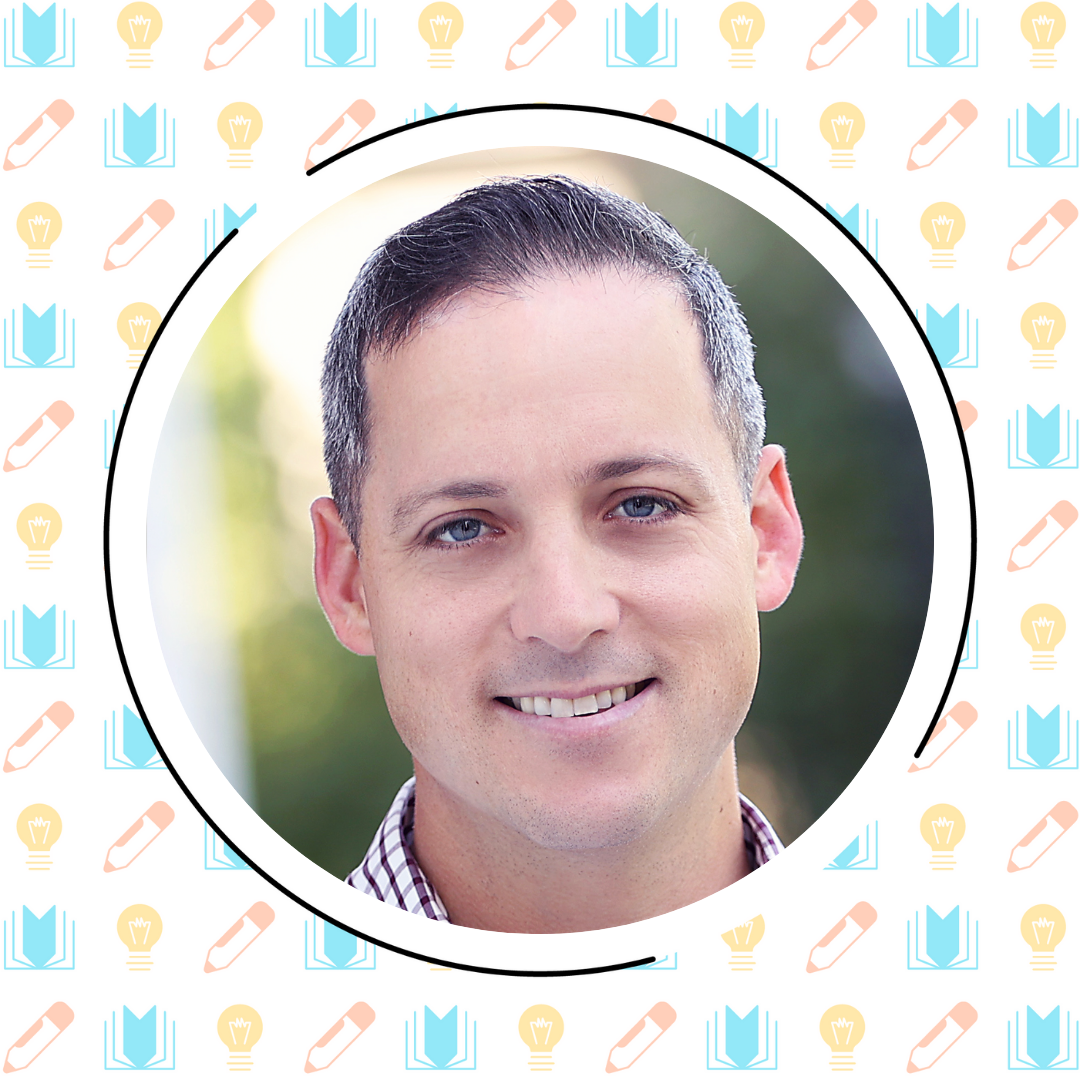
Phil Capin, Ph.D.
Phil Capin, Ph.D., is an assistant professor at the Harvard Graduate School of Education. His research focuses on understanding differences in reading development and developing and evaluating the impact of instructional practices, primarily for those with reading difficulties. Supported by the grant from the Institute of Education Sciences and the National Institutes of Health, Capin has conducted randomized control trials examining instructional approaches for improvising reading opportunities and outcomes for students with reading difficulties in K–2 settings. As a former teacher, a primary goal of his work is to meaningfully address challenges faced by educators.
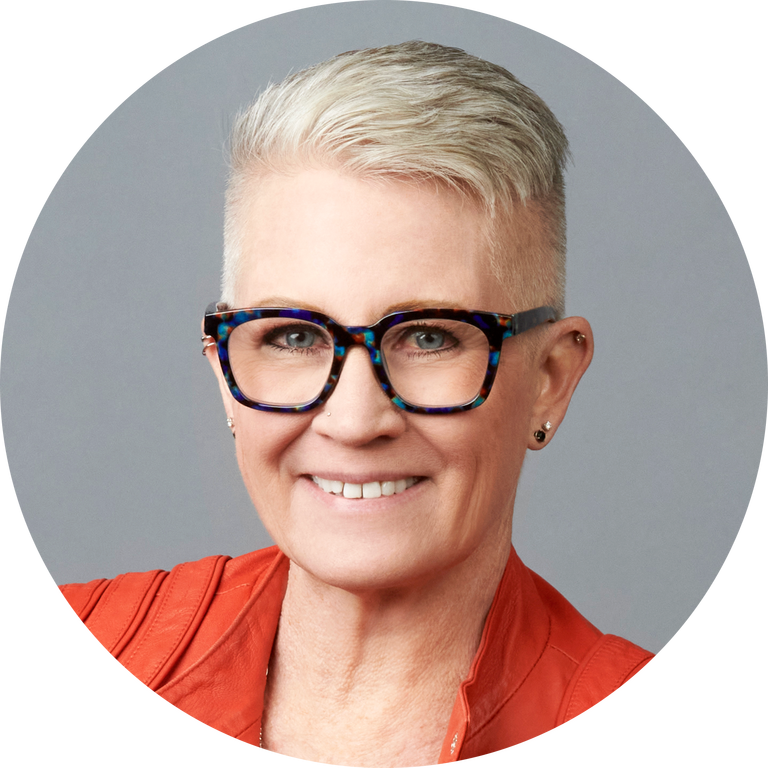
Meet our host, Susan Lambert
Susan Lambert is chief academic officer of literacy at Amplify and host of Science of Reading: The Podcast. Throughout her career, she has focused on creating high-quality learning environments using evidence-based practices. Lambert is a mom of four, a grandma of four, a world traveler, and a collector of stories.
As the host of Science of Reading: The Podcast, Lambert explores the increasing body of scientific research around how reading is best taught. A former classroom teacher, administrator, and curriculum developer, she’s dedicated to turning theory into best practices that educators can put right to use in the classroom, and to showcasing national models of reading instruction excellence.
Quotes
“Instead of asking, ‘What do you know about a topic?’ I would start with building their knowledge. It's very difficult to ascertain with a whole classroom of students their background knowledge on a topic efficiently.”
“We've underestimated the value of writing in supporting reading comprehension.”
“Reading and writing rely on a lot of the same language processes, and writing supports the consolidation of knowledge.”
“When I think of high-quality reading comprehension instruction, I think of before, during, and after.”
“Reading comprehension is the byproduct of a constellation of competencies that are interrelated: your ability to read words, your knowledge of words, and your background knowledge on the topic of the text.”
“Students should engage with meaningful problems, and they should have a reason for learning.”
“It's really important that we help students to develop those foundational literacy skills, because it is just a fact that if you can't read the words, you're not going to understand the text.”
“Reading comprehension will vary based on the knowledge you bring to the task, your interest in it, and your purpose for reading.”