Understanding assessment, with Melissa Farrall, Ph.D.

Transcripts and additional resources:
Meet Our Guest(s):

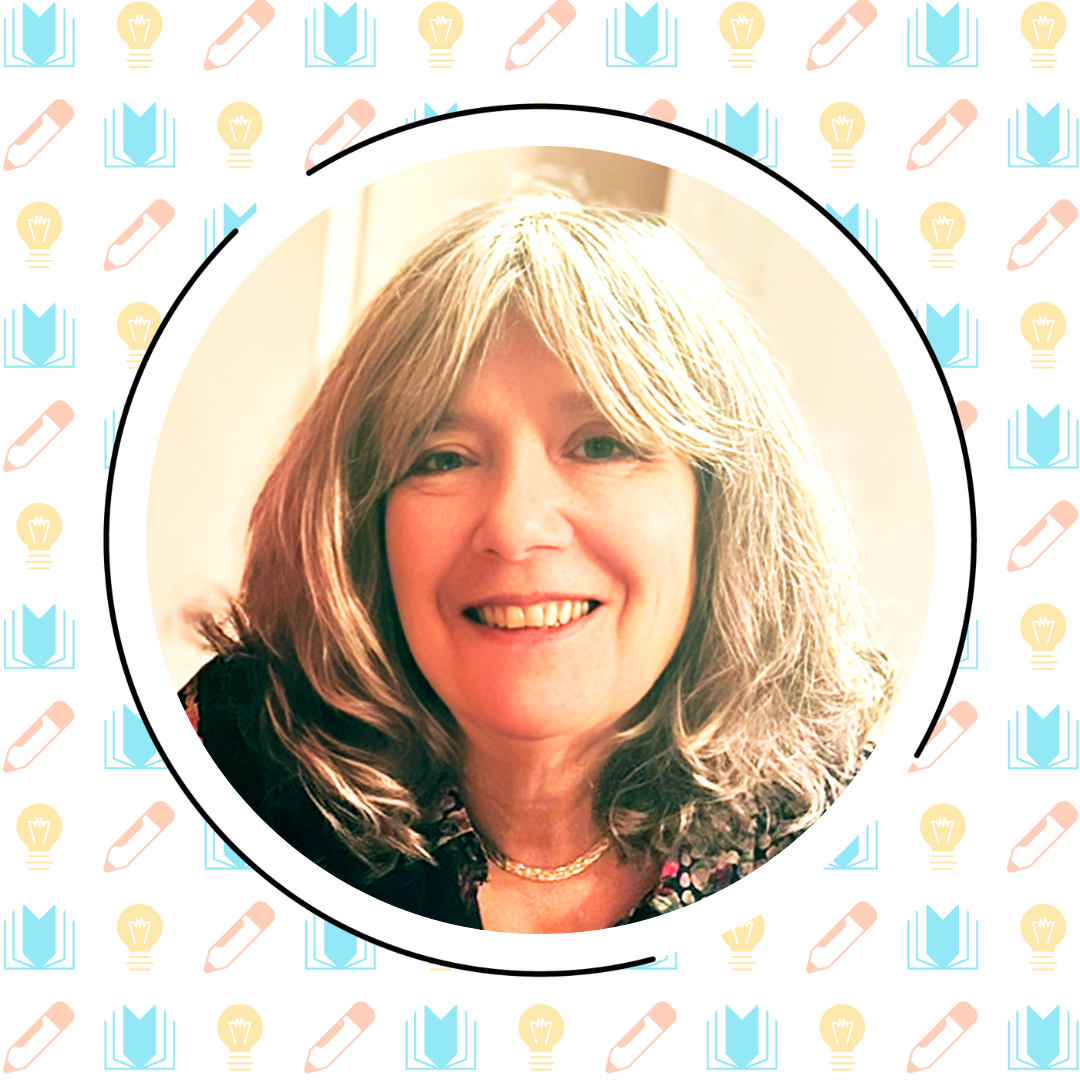
Melissa Farrall, Ph.D.
Melissa Farrall, Ph.D., is the author of Reading Assessment: Linking Language, Literacy and Cognition, and co-author of All About Tests & Assessments. She recently retired as director for evaluation at the Stern Center for Language and Learning in Vermont, and held an appointment as clinical assistant professor in the Department of Neurological Sciences at the Robert Larner College of Medicine at the University of Vermont, where she trained medical professionals about learning disabilities and reading. She continues to train evaluators and teach courses through the Stern Center and Vermont State University.
She has her doctorate from Brown University in Slavic linguistics, her master’s degree in learning disabilities from Rivier College, and certification as a specialist in the Assessment of Intellectual Functioning.
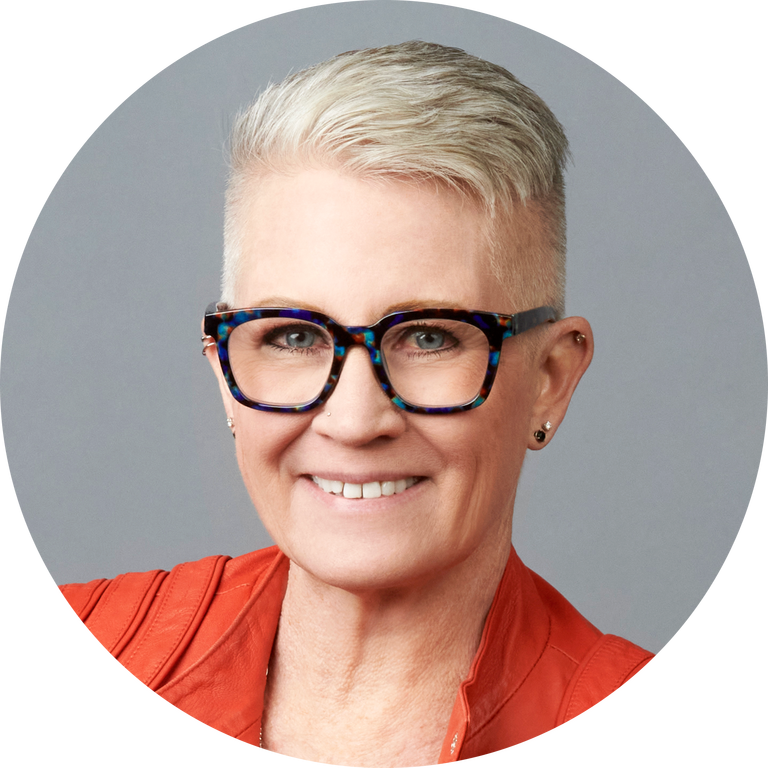
Meet our host, Susan Lambert
Susan Lambert is chief academic officer of Literacy at Amplify and host of Science of Reading: The Podcast. Throughout her career, she has focused on creating high-quality learning environments using evidence-based practices. Lambert is a mom of four, a grandma of four, a world traveler, and a collector of stories.
As the host of Science of Reading: The Podcast, Lambert explores the increasing body of scientific research around how reading is best taught. A former classroom teacher, administrator, and curriculum developer, she’s dedicated to turning theory into best practices that educators can put right to use in the classroom, and to showcasing national models of reading instruction excellence.
Quotes
“My view of reading comprehension is that it is ‘thinking guided by print.’”
“If we supplement our evaluation with measures of listening comprehension, we can then get a sense of an individual's ability to make meaning. ”
“One of the interesting things about being in this field is that no two people share the same definition of what reading comprehension is. Because we don't necessarily agree as to what reading comprehension is, there is certainly a lot of diversity in the way that we decide we want to assess it.”
“In a perfect world, we would have not just evaluators, but educators who are trained both in the Science of Reading and in assessment so that we can all sit at the same table and participate as we review evaluation results.”