Syntax and comprehension, with Julie Van Dyke, Ph.D.

Transcripts and additional resources:
Meet Our Guest(s):

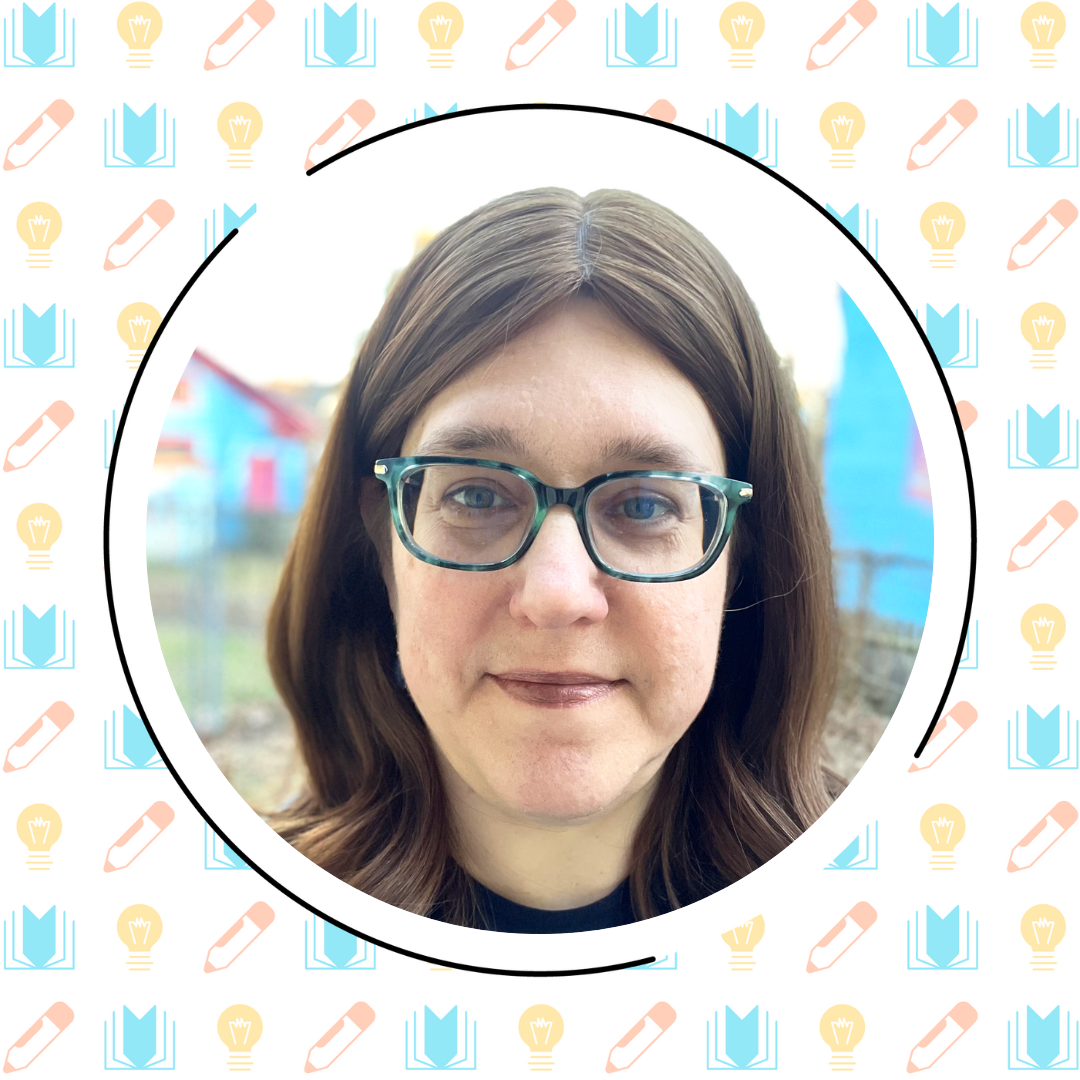
Julie Van Dyke, Ph.D.
Julie Van Dyke, Ph.D., holds joint appointments as an associate research professor at the Institute for Brain and Cognitive Sciences at the University of Connecticut; clinical assistant professor at the Yale University Child Study Center; and research scientist at the Yale-UConn Haskins Global Literacy Hub. She is also Chief Scientist at Cascade Reading. Previously, she served as a senior scientist at Haskins Laboratories for 22 years. Her deep dedication to improving reading outcomes for all children is fueled daily by her experience as the parent of a child with dyslexia, developmental language disability, dyscalculia, ADHD, and autism.
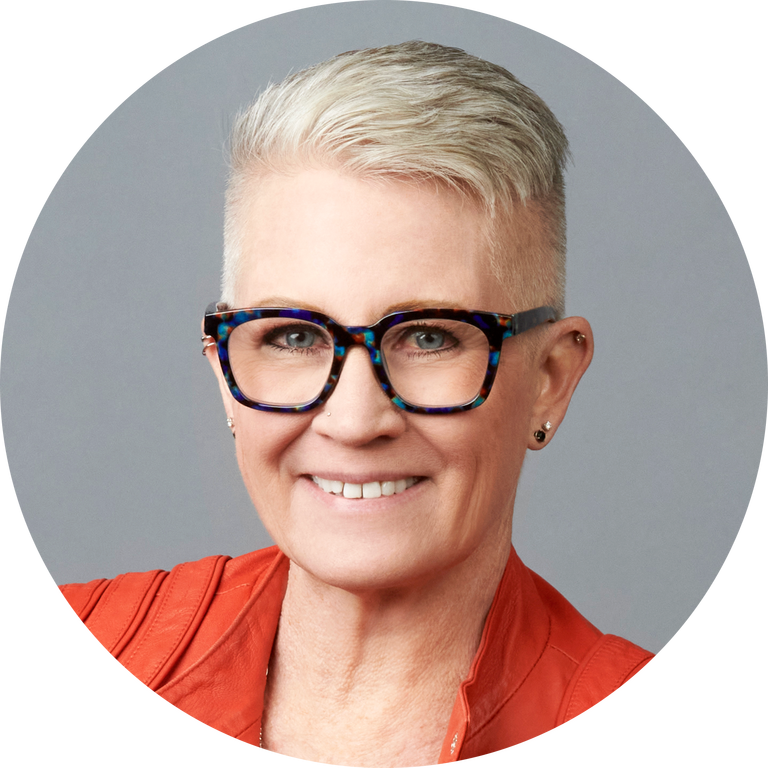
Meet our host, Susan Lambert
Susan Lambert is chief academic officer of Literacy at Amplify and host of Science of Reading: The Podcast. Throughout her career, she has focused on creating high-quality learning environments using evidence-based practices. Lambert is a mom of four, a grandma of four, a world traveler, and a collector of stories.
As the host of Science of Reading: The Podcast, Lambert explores the increasing body of scientific research around how reading is best taught. A former classroom teacher, administrator, and curriculum developer, she’s dedicated to turning theory into best practices that educators can put right to use in the classroom, and to showcasing national models of reading instruction excellence.
Quotes
“In English, syntax is word order. Syntax is the relationship between the entities in a sentence.”
“If you want to increase comprehension, you need to be explicit in syntax because that's the part of the language system that matters for comprehension.”
“Comprehension is the glue between the words. It's the process of gluing the words together, each word as you go.”
“The process itself [of comprehension] is the moment by moment, really millisecond by millisecond action of gluing words together in order to create a meaning.”
“We need to move the needle on the nation's report card. We still have two-thirds of our students who are unable to read at what we call proficient. I think the only way that we can really get that number to be closer to the 95% that we really want is to do something new. Syntax is the new thing.”
“If somebody knew how beautiful and systematic the language was, I think you would have people rushing when they wake up to go study syntax.”